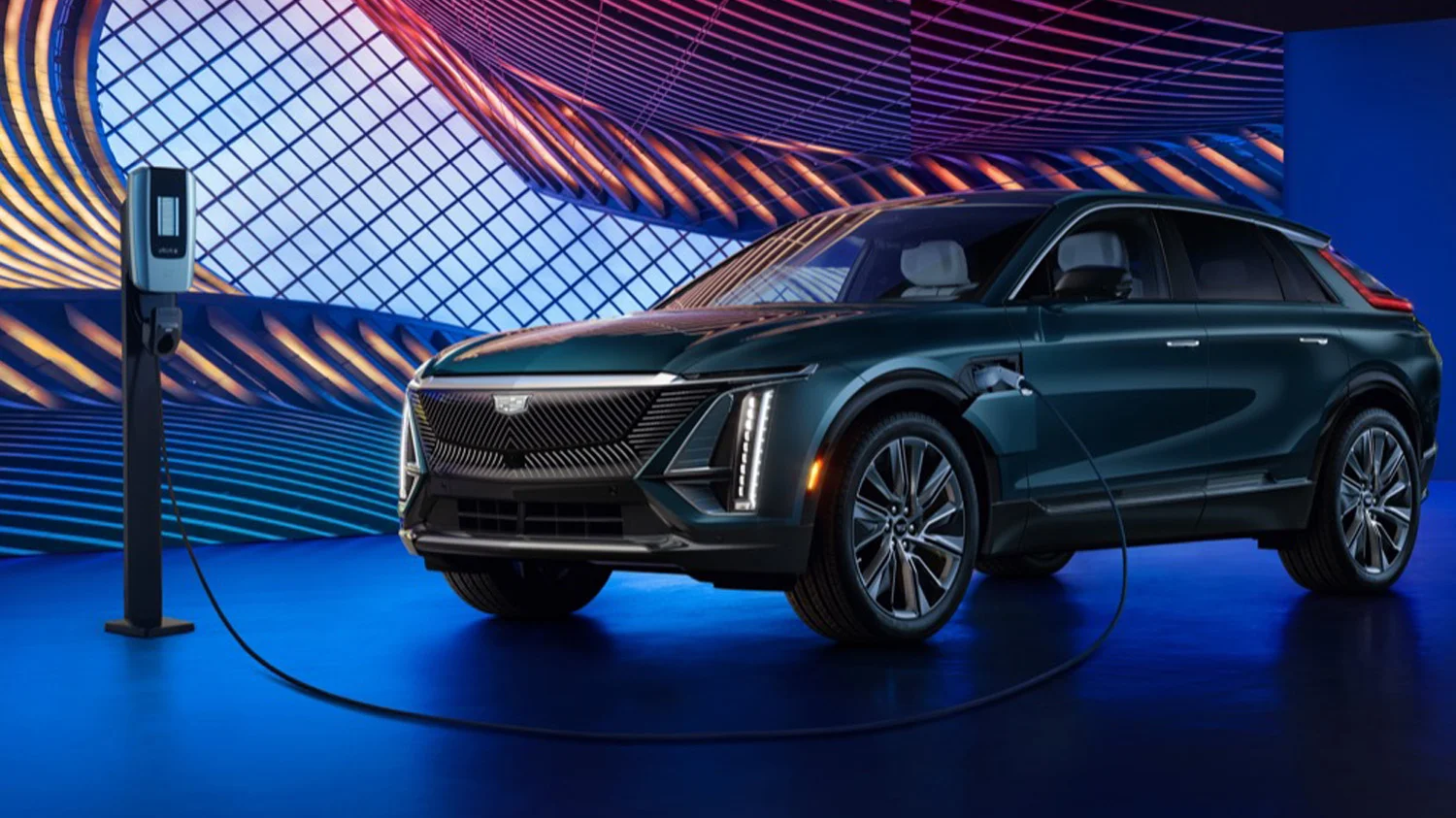
Have you ever wondered do the driving modes in cadillac lyriq offer different ranges or battery usages? Most electric vehicle buyers think the answer is simple. They believe that if a car has multiple Cadillac Lyriq driving modes, then one of them must give better range. The truth is more interesting than that. The modes do not come with separate official range numbers. They do not change the battery itself. But they do affect how the car behaves. And this behavior can quietly shape how far you travel on a single charge.
This is where confusion starts for new owners. You switch from Tour to Sport mode. You watch the range estimate shift down. Then you assume the mode itself has a fixed range penalty. But what is really happening is more subtle. The mode changes how the vehicle responds to your inputs. It does not directly control the battery. Your driving behavior matters much more than the mode label. If you are trying to get the most out of your Lyriq’s battery or just understand what your dashboard is telling you, this guide is for you. We will unpack everything carefully. We will answer which mode gives best range, explain the real science, and give you practical tips for UK driving.
Cadillac keeps its messaging around drive modes fairly straightforward. The company describes the modes as ways to adjust the overall driving experience. This phrasing matters a lot. It avoids promising any direct change to EV range and battery usage. Instead, official range figures are tied to the car’s hardware. For the 2025 Cadillac Lyriq, the Environmental Protection Agency lists up to 326 miles for rear-wheel-drive models. All-wheel-drive configurations offer up to 319 miles or 303 miles. These numbers are based on drivetrain and equipment. They are not based on which mode you select on a given day.
Here is the important part. Cadillac’s own owner’s manual quietly acknowledges that driving modes can affect the vehicle’s range estimate. It points out that acceleration habits, climate control use, and driving conditions all play a role. So while the company does not assign a specific mileage number to Sport or Tour, it clearly expects those modes to influence real-world energy use. This means the modes do matter. They influence energy consumption. But they do it indirectly through your driving behavior, not by changing the battery itself.
| Aspect | Details |
|---|---|
| EPA Rating (RWD) | 326 miles |
| EPA Rating (AWD Standard) | 319 miles |
| EPA Rating (AWD Extended) | 303 miles |
| Battery Capacity | ~102 kWh (fixed) |
| Mode Impact | 5-15% real-world variance |
| Official Mode Ratings | None separate |
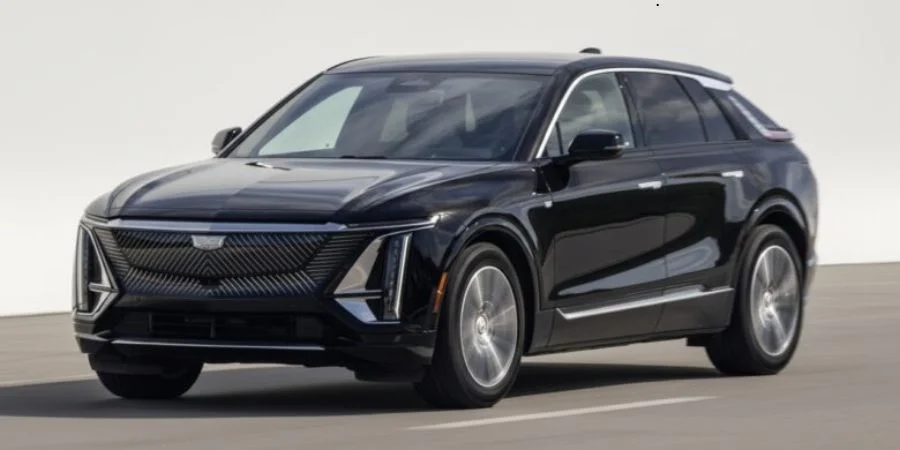
Understanding Cadillac Lyriq Driving Modes & How They Work
The Cadillac Lyriq offers four main Cadillac Lyriq driving modes to choose from. Tour mode is the default setting. It balances comfort, responsiveness, and efficiency. Sport mode sharpens everything. The throttle becomes more responsive. The steering tightens. Snow/Ice mode softens the throttle to improve traction on slippery surfaces. My Mode is customizable. You can adjust acceleration feel, steering weight, and braking response. Each mode has its own purpose and effect on how do Lyriq driving modes work.
Think of the modes as different personalities for your car. Tour mode is like driving a sensible sedan. You get smooth, predictable responses. Sport mode is like driving a sports car. Everything is quicker and more eager. Snow/Ice mode is like driving with extra caution. You prioritize grip over speed. My Mode is like creating your own personality. You choose which traits matter most to you. The key insight is this: none of these modes change your 102 kWh battery. They only change how the car responds to your accelerator and steering inputs. The rest depends on how you actually drive.
How Driving Modes Impact Battery Energy Consumption
EV range and battery usage is all about efficiency. Range in an electric vehicle equals battery capacity divided by energy consumption rate. The Lyriq’s battery does not care which mode you choose. The battery capacity stays at around 102 kWh. It does not expand or shrink. There is no hidden eco reserve tied to a specific setting. So what actually changes when you switch modes? It comes down to how much energy is used. If a mode encourages quicker acceleration or more aggressive driving behavior, the vehicle will draw more energy per mile.
Think of it like fuel economy in a petrol car. Two drivers using the same engine get very different mileage. One drives smoothly. The other accelerates aggressively. The Lyriq works the same way. But the feedback is immediate. The dashboard’s range estimate updates based on your recent driving patterns. Even a short period in a more aggressive mode can shift what the car predicts. This dynamic system is actually helpful. It shows you real-time consequences of your driving behavior. Tour mode typically delivers around baseline energy consumption. Sport mode increases consumption by 10-20% in typical driving. Snow/Ice mode varies depending on conditions. My Mode depends entirely on how you configure it and how you actually drive afterwards.
Why Driving Modes Change Range (Without Changing Battery Size)
One of the most common questions Cadillac Lyriq driving modes owners ask is why the range number shifts after changing modes. It can feel like the car is losing miles instantly. But the battery percentage has not dropped. The answer lies in how the estimate is calculated. The Lyriq uses recent driving data to predict how far you can go. If you switch into a mode that leads to more aggressive acceleration, even briefly, the system recalculates. It uses that higher energy use to make a new prediction.
This does not mean the battery drained faster in that moment. It means the car expects you to continue driving the same way. If you return to calmer driving, the estimate recovers just as quickly. This dynamic behavior is intentional. Cadillac wants the estimate to reflect real conditions. It is not a fixed theoretical number. This can be frustrating at first. But it is actually more honest than a static range display. The range estimate management system works by tracking your energy use over the last 15 to 20 kilometers. It then extrapolates that rate across your remaining battery charge. Switch to Sport mode and accelerate aggressively for one minute. The system detects higher consumption. It recalculates downward. This happens in 30 to 90 seconds, not instantly. This transparency is exactly why modern electric vehicles are becoming popular. You get real feedback about your driving efficiency.
| Driving Scenario | Consumption Change | Range Impact |
|---|---|---|
| Switch to Sport (aggressive) | +15-20% | -40-60 miles |
| Switch to Tour (smooth) | -10-15% | +30-50 miles |
| Maintain current behavior | No change | Stable |
| Aggressive acceleration burst | +25-30% | Temporary spike |
| Smooth braking with regen | -5-10% | Small gain |
Regenerative Braking & One-Pedal Driving: Impact on Range
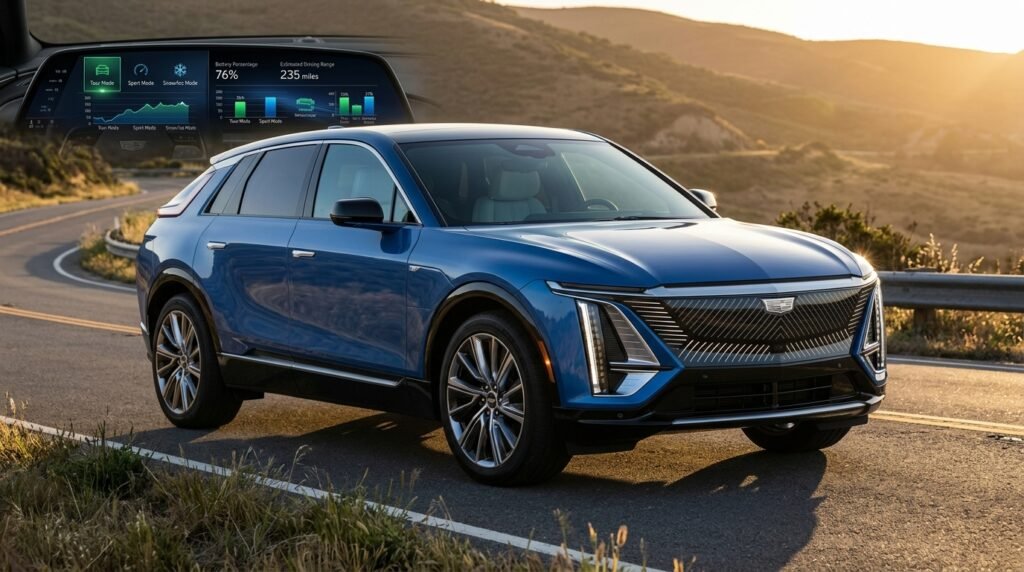
Many Lyriq owners wonder how does regenerative braking work and how does Snow/Ice mode help overall efficiency. While regenerative braking is not technically a drive mode, it plays a key role in energy efficiency. One-Pedal Driving allows the car to slow down using regenerative braking when you lift off the accelerator. This process captures some of the energy that would otherwise be lost as heat. Then it feeds that energy back into the battery. Cadillac’s manual suggests that using One-Pedal Driving when appropriate can improve efficiency. This is especially true in urban environments with frequent stops. There is also a Regen on Demand paddle that lets you increase regeneration manually.
There is a catch though. Regenerative braking is not always at full strength. It can be limited when the battery is nearly full. It can also be limited when temperatures are low. This means the benefit varies depending on conditions. That is why electric vehicle efficiency is not tied to a single setting or mode. In cold UK winter mornings, regeneration might be reduced by 30 to 40 percent. In warm summer conditions, it works at full capacity. The system is smart. It protects the battery while maximizing energy recovery. Real-world testing shows that One-Pedal Driving in urban traffic adds about 5 to 15 percent range benefit. On highway driving, the benefit drops to nearly zero. This is because highway driving involves less braking overall. City driving in London involves constant stops. That is when regenerative braking really shines.
| Regenerative Braking Scenario | Energy Recovery | Best For |
|---|---|---|
| Urban stop-and-go | 5-15% range gain | City commutes |
| Highway steady speed | 0-3% range gain | Motorway driving |
| Downhill driving | 5-20% range gain | Mountain routes |
| Cold battery (below 5°C) | 30-50% reduced | Early morning winter |
| Near-full battery | Disabled/minimal | Final miles before charging |
Factors That Actually Matter More Than Driving Modes
Focusing only on driving mode comparison can miss the bigger picture. In most cases, other factors have a much larger impact on range than the mode selector. Let us rank them by importance. Speed is the single biggest influence. Driving at highway speeds increases aerodynamic drag significantly. The relationship is not linear. It is exponential. At 70 miles per hour, aerodynamic drag is a major energy consumer. At 60 miles per hour, it is much smaller. The difference between 70 mph and 60 mph can reduce range by 15 to 20 percent. That is way more than any driving mode can do. Even driving in Tour mode at high speed uses more energy than Sport mode at moderate speeds.
Climate control is another massive factor. Heating and cooling the cabin draws energy from the same battery that powers the motors. On very hot or cold days, this can noticeably reduce available range. UK winter heating can reduce range by 20 to 30 percent. Summer air conditioning reduces it by 10 to 15 percent. Then there is driving style. Rapid acceleration, frequent braking, and stop-and-go traffic all increase energy use. Cadillac’s own guidance emphasizes smooth driving. Steady speeds matter. Planning ahead for stops saves the most energy. Consider weather conditions. Cold temperatures reduce battery chemistry efficiency. Wind affects aerodynamic drag. Wet roads increase rolling resistance slightly. All of these matter more than mode selection. Terrain is important too. Driving uphill increases energy demand dramatically. Driving downhill allows regenerative braking to recover energy. A route with many hills uses more energy than a flat route. Even vehicle configuration matters. All-wheel drive models have a 3 to 4 percent range penalty compared to rear-wheel drive. This is due to the additional motor. But you cannot change this after purchase. What you can change is speed, climate control, and driving style.
| Factor | Impact on Range | Your Control | Importance Rank |
|---|---|---|---|
| Speed (70 vs 60 mph) | 15-20% change | Very High | 1st |
| Climate Control (heat/cool) | 10-30% change | Very High | 2nd |
| Driving Style (aggressive vs smooth) | 15-25% change | Very High | 3rd |
| Terrain (hills vs flat) | 10-20% change | Low | 4th |
| Weather (cold/wind) | 5-20% change | None | 5th |
| Vehicle Config (AWD vs RWD) | 3-4% fixed | None | 6th |
| Driving Mode | 5-15% change | High | 7th |
Common Misconceptions About Lyriq Driving Modes & Battery
Many owners believe there is a hidden Eco mode that Cadillac will not tell them about. This is false. Cadillac does not offer a dedicated Eco mode on the Lyriq. Tour mode serves as the efficiency baseline. My Mode customization provides a pseudo-eco option if you configure it conservatively. Many competing EVs like Audi e-tron and BMW iX do offer Eco modes. But the Lyriq does not. This surprises some UK owners who expect an eco option. Cadillac made a design choice to keep it simple. You get four modes instead of five. This does not limit your efficiency options. It just means you must use Tour or configure My Mode for maximum efficiency.
Another huge misconception is that the range estimate is a guaranteed promise. It is not. The range estimate is a prediction. It is based on recent behavior. It recalculates continuously. It can be off by 10 to 20 percent depending on conditions. EPA ratings are more reliable than real-time estimates. They are standardized tests. But your actual real-world range varies based on many factors. Some owners panic when the range drops suddenly after mode changes. They think the battery is failing. Actually, only the algorithm’s projection changed. This distinction matters for UK trip planning. Knowing the limitations helps you plan confidently. Many owners think driving mode label determines efficiency completely. This is also wrong. What is Tour mode used for? Smooth, efficient, everyday driving. But an aggressive driver in Tour mode uses more energy than a smooth driver in Sport mode. Behavior matters more than the label. The mode is just a tool. Your choices are the real driver of efficiency.
One misconception causes real fear. Owners worry that using Sport mode damages battery capacity permanently. This is false. Mode switching does not damage battery capacity. The battery stays the same. Your 102 kWh capacity is identical whether you use Tour or Sport mode mostly. Batteries degrade naturally over time through age and charge cycles. But mode use does not cause this. Using Sport mode might accelerate battery degradation slightly if you drive very aggressively. But the mode itself is not damaging. Think of it like using high RPMs in a petrol car. It uses more fuel. It might stress the engine more. But shifting gears does not damage the engine. Another false belief is that regenerative braking recovers most braking energy. It typically recovers 40 to 70 percent. Friction braking always dissipates the remaining energy as heat. This is basic physics. Not 100 percent recovery is possible. The benefit is real but limited.
Practical Tips to Maximize Your Lyriq’s Electric Range
If your goal is to maximize range, the approach is surprisingly simple. Start with Tour mode. Stay there most of the time. Accelerate smoothly. Avoid sudden bursts of speed. This alone can make a meaningful difference. Pay attention to climate settings. Using seat heating instead of blasting the entire cabin saves significant energy. In UK winter, seat heating uses just 1 to 2 percent battery. Full cabin heating uses 5 to 10 percent. That is a 3 to 8 percent difference over a full drive. Steering wheel heating adds another 0.5 to 1 percent. For a 50-mile winter commute, choosing seat heating over cabin heating gives you an extra 2 to 3 miles. That is material. Pre-condition your battery and cabin while plugged in at home. Most EVs allow remote scheduling through an app. Pre-warm the battery before driving. This improves chemistry efficiency by 5 to 10 percent. Pre-cool the cabin so air conditioning does not run during the drive.
Here is a realistic UK winter morning example. Set your car to pre-condition at 6:55 AM for a 7:00 AM departure. By 6:58 AM, the battery is warm, the cabin is cool, windows are defrosted. You start driving. Climate control just maintains temperature. It does not work from a cold start. You save 10 to 15 percent range that morning. Speed moderation is perhaps the single most important tip. Driving at 55 to 60 mph on UK motorways instead of 70 mph maximum adds 20 to 30 percent range. This one change beats all mode variations combined. Compare a London to Scotland trip. At 70 mph you might need three charging stops. At 60 mph you comfortably travel between chargers with range to spare. The time difference is modest. You arrive perhaps 30 to 45 minutes later. But you save thousands of joules of energy.
Master smooth acceleration techniques. Gradual acceleration from 0 to 30 mph over 5 to 10 seconds uses far less energy than jackrabbit starts. Even when Sport mode makes acceleration feel more eager, gentle inputs keep consumption low. Use One-Pedal Driving consciously in city driving. Identify braking opportunities in advance. Lift off the accelerator earlier than usual. Let regenerative braking slow the vehicle. On downhill sections, this captures significant energy. UK traffic patterns help here. London stop-and-start traffic creates excellent regenerative braking opportunity. Scottish mountain routes offer tremendous downhill recovery potential. Motorway cruise driving offers minimal regen opportunity.
Is Tour mode enough for all UK driving scenarios? Yes, Tour mode handles 90 percent of UK driving scenarios adequately. Only specific situations require other modes. Snow/Ice mode is for winter roads. Sport mode is for occasional performance needs. Tour mode as your primary mode represents a sound strategy. UK driving patterns including urban commutes, A-roads, and motorway cruising are well-suited to Tour mode’s balanced approach. The ability to occasionally access Sport mode for merging or overtaking without leaving Tour mode most of the time represents optimal efficiency strategy.
Conclusion
do the driving modes in cadillac lyriq offer different ranges or battery usages? is about recognizing both what they do and what they do not do. They do not change your battery capacity. That stays at around 102 kWh regardless of which mode you select. They do not come with separate official EPA range ratings. The official numbers are based on hardware configuration, not driving modes. But they do influence energy consumption. They do affect how the car responds to your inputs. And response patterns influence real-world energy use. This matters for range management and efficient driving.
The key insight is that driving behavior matters more than mode selection. An aggressive driver in Tour mode uses more energy than a smooth driver in Sport mode. This is the central truth to understand. Mode is just a tool. Your actual driving habits are the real determinant of efficiency. Tour mode typically supports efficient driving patterns. Sport mode makes it easier to drive aggressively. But neither forces any particular behavior. The choice remains yours. Speed matters more than mode. Climate control matters more than mode. Driving style matters more than mode. Terrain matters more than mode. These are the real range drivers.
For UK owners specifically, the practical reality is straightforward. Use Tour mode as your default. This supports efficient driving patterns during your daily commute. Smooth out your acceleration. Plan your speed to maximize range on longer trips. Use seat heating instead of cabin heating in winter. Pre-condition your battery and cabin while plugged in at home. Embrace one-pedal driving in city traffic. Maintain proper tire pressure. Plan routes using UK tools like Zapmap and A Better Route Planner. With these strategies, you will maximize your Lyriq’s real-world range and enjoy years of efficient, confident driving.
The Cadillac Lyriq is an excellent electric vehicle for UK drivers. Understanding how driving modes actually work removes mystery and confusion. You gain confidence for longer trips. You learn to trust your dashboard’s range estimate. You stop worrying about phantom range losses during mode switches. You focus instead on the things that truly matter: speed, climate, driving behavior, and route planning. These are the real levers for efficiency. Master these, and you will get the most from your Lyriq’s impressive battery capacity and outstanding real-world range potential.
FAQs
do the driving modes in cadillac lyriq offer different ranges or battery usages?
Yes, driving modes affect real-world range by 5-15% indirectly through your driving behavior, not by changing the battery itself. The modes guide how your car responds, encouraging different acceleration patterns that influence energy consumption rates.
What is the real range of the Cadillac LYRIQ?
The Cadillac Lyriq offers 326 miles (rear-wheel drive) or 319-303 miles (all-wheel drive) according to EPA ratings, but real-world range varies 15-20% less depending on speed, climate, terrain, and driving style in actual UK conditions.
What is the difference between tour and Sport mode on a Cadillac LYRIQ?
Tour mode provides smooth, predictable responses for everyday efficient driving, while Sport mode sharpens throttle and steering response, encouraging quicker acceleration that typically increases energy consumption by 10-20% during normal driving.
What is the battery range on the Cadillac LYRIQ?
The Cadillac Lyriq has a fixed 102 kWh battery capacity providing up to 326 miles EPA range (RWD), though actual range depends more on speed, climate control, and driving behavior than on driving mode selection.
What are common Lyriq problems?
Common Lyriq issues include initial software updates, occasional infotainment glitches, and winter range reduction of 20-30%, though most owners report excellent reliability and satisfaction with performance and efficiency in UK conditions.